
What Is Kali?
Kali is one name used for Filipino Martial Arts, especially outside the Philippines. It is closely connected to Arnis and Eskrima, and focuses on weapon-based movement, timing, coordination, awareness, and practical self-defence.
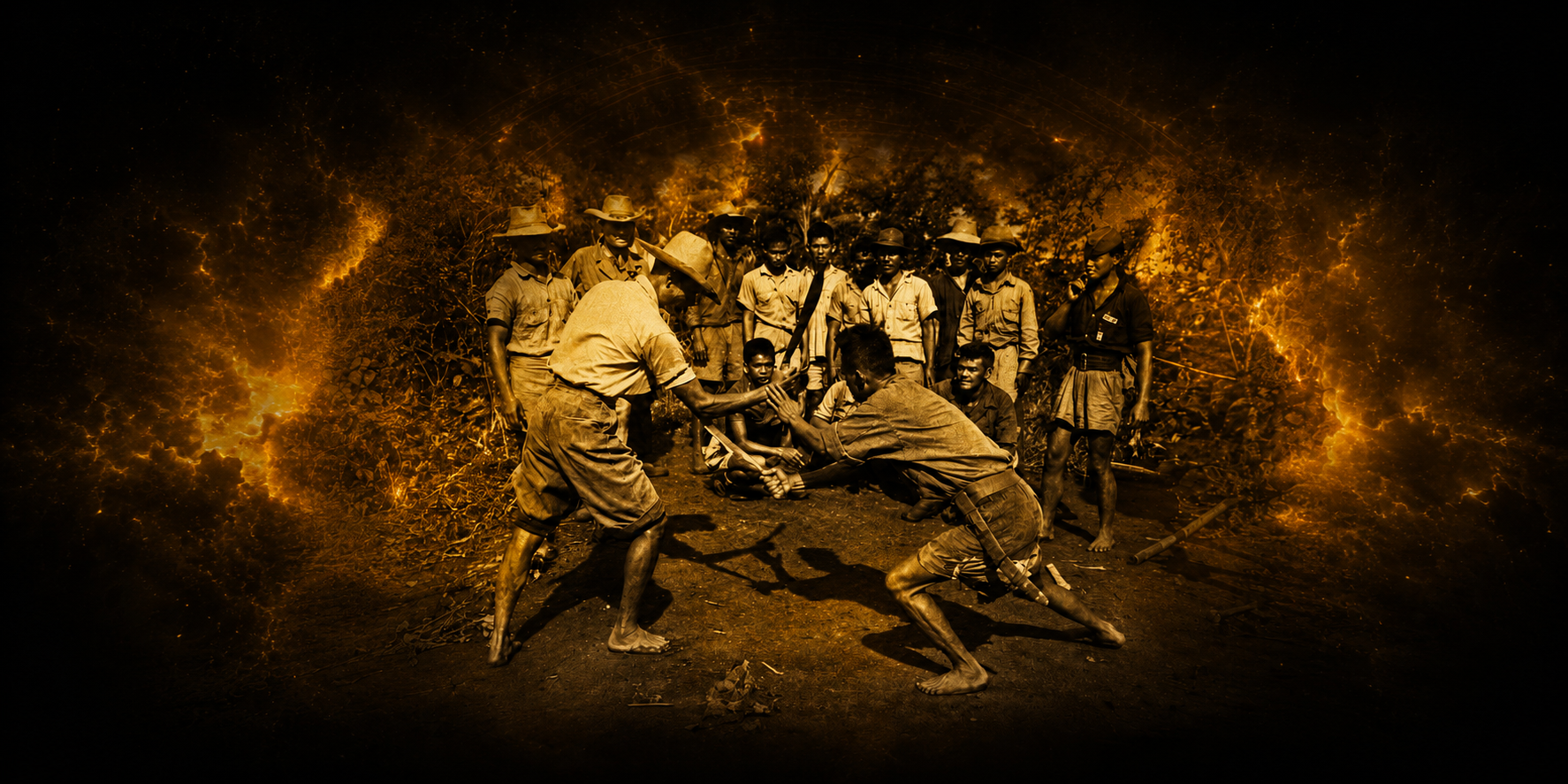
A Filipino Martial Art Built Around Practical Skill
Kali teaches students how to move, strike, defend, control distance, and understand timing. Training often begins with sticks or training tools because they make angles, movement, distance, and reaction easier to see and develop.
The same principles can then connect to empty-hand skills, self-defence, awareness, and close-range training.
PRACTICAL BY DESIGN
Kali training is not only about memorizing techniques. It develops movement, timing, coordination, awareness, and the ability to respond with control under pressure.
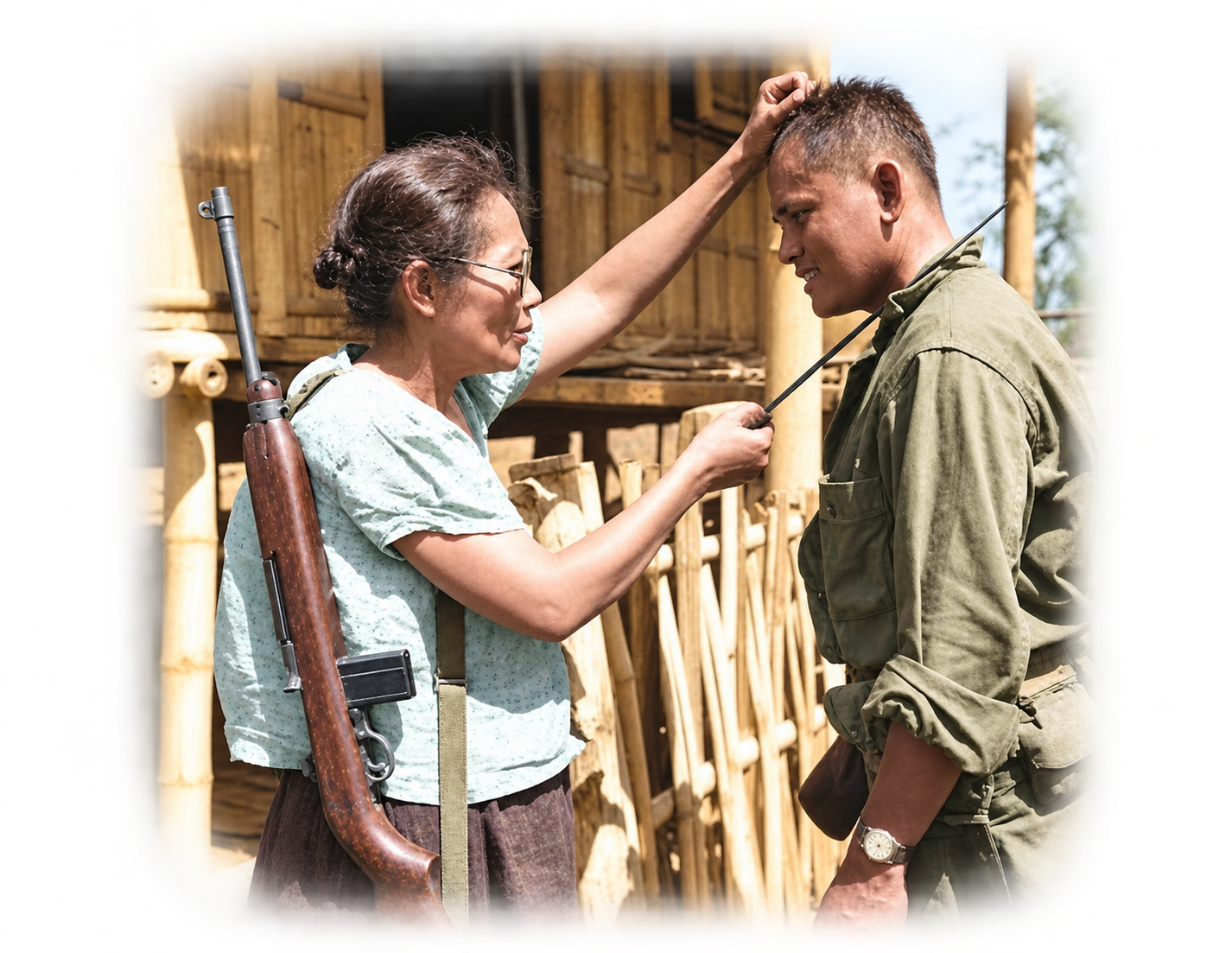 Nieves Fernandez was a schoolteacher turned guerrilla commander in Leyte, remembered for leading resistance fighters and for this famous 1944 photo demonstrating her bolo method to an American soldier.
Kali, Arnis, and Eskrima:
Why the Names Matter
Kali, Arnis, and Eskrima are names connected to Filipino Martial Arts, but they are not used the same way everywhere. In the Philippines, Arnis and Eskrima are more commonly heard when referring to stick fighting and weapon-based martial arts, while Kali became more widely recognized outside the country.
This does not mean the training is foreign. It means the history is layered. Filipino Martial Arts developed through local fighting traditions, weapon culture, performance, migration, and generations of teachers who preserved and adapted the art in different places.
ARNIS
A common name in the Philippines, especially in formal, school, sport, and national martial arts contexts.
ESKRIMA
A common name connected to stick fighting, fencing influence, and regional Filipino martial arts practice.
KALI
A name widely recognized internationally, especially by many students outside the Philippines, while still pointing back to Filipino fighting methods.
Why Training Starts With Weapons
Weapon-based training is one of the clearest ways to understand Filipino Martial Arts. Sticks and training tools make distance, timing, angles, movement, and reaction easier to see, feel, and correct.
Angles
Stick training helps students understand lines of attack, defence, positioning, and how movement changes the path of a strike.
Distance
Weapons make range easier to understand. Students learn when they are safe, when they are exposed, and how to move with better control.
Timing
Training develops the ability to recognize rhythm, openings, pressure, and the right moment to move.
From Weapons to Empty Hands
The same ideas used in weapon training can carry into empty-hand movement, striking, defence, positioning, and close-range control.
Practical Skill Beyond the Stick
Kali training helps students understand how to manage distance, recognize angles, move under pressure, and respond with better control.
The goal is not to collect random techniques. The goal is to build movement, awareness, timing, and practical habits that can be used in different situations.
What Students Develop
Kali training builds more than techniques. Students develop movement, coordination, awareness, confidence, and control through repeated practice, partner drills, and pressure-based training.
Coordination
Improve hand-eye coordination, body mechanics, and the ability to move with better control.
Awareness
Learn to recognize distance, angles, pressure, and movement from yourself and your training partner.
Confidence
Build confidence through structured training, clear progression, and practical skill development.
Control
Train movement, timing, and reactions in a way that supports discipline and better decision-making.
Ready to Experience Kali?
The best way to understand Kali, Arnis, and Eskrima is to train. Contact Kali Calgary to ask about classes, locations, and free trial availability in Calgary or Okotoks.
Book a Free Trial Class